
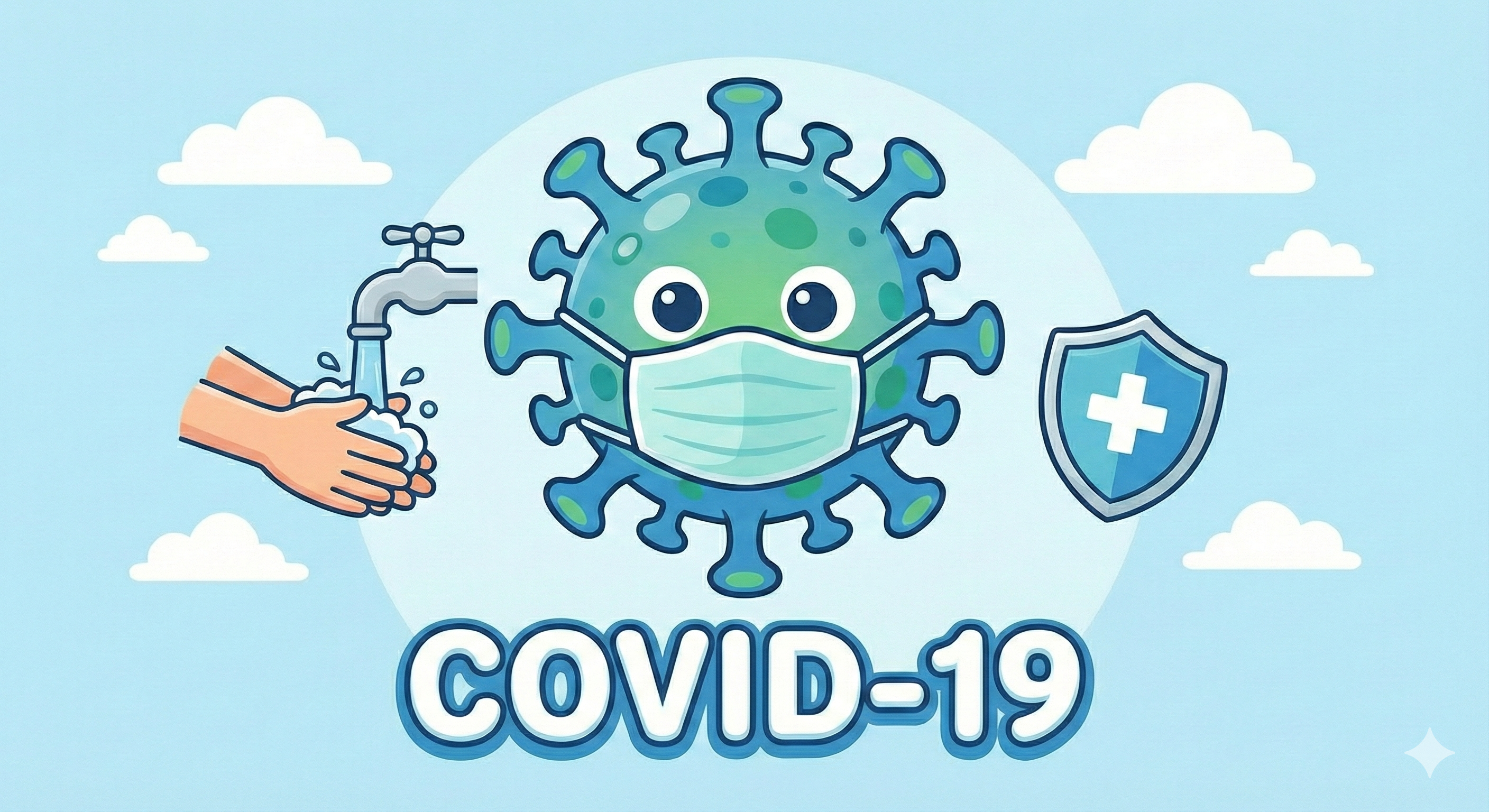
COVID-19 (SARS-CoV-2): Symptoms, Risks, and Prevention Guide
COVID-19 is the shortened name for the disease caused by the Severe Acute Respiratory Syndrome Coronavirus 2 (SARS-CoV-2). This virus causes colds and other respiratory infections. Individuals exposed to this virus typically develop symptoms within 2 to 14 days after infection.
Common Symptoms of COVID-19
Patients may experience a wide range of symptoms, including:
Fever or chills
Cough
Sore throat
Headache
Fatigue or excessive tiredness
Chest pain or pressure
Loss of taste or smell (Anosmia)
Red or irritated eyes (Conjunctivitis)
Shortness of breath or difficulty breathing
Nausea or vomiting
Muscle or body aches
Diarrhea
Skin rash
Who is in the "High-Risk" Group?
Severe illness is more likely to occur in adults aged 60 and older, as well as individuals with the following underlying conditions (the "608" group in Thailand context, or general high-risk groups):
Chronic Respiratory Diseases: Such as Chronic Obstructive Pulmonary Disease (COPD) and Asthma.
Cardiovascular Diseases: Such as Coronary Artery Disease and Heart Failure.
Chronic Kidney Disease (CKD): Specifically those in end-stage renal failure.
Neurological Conditions: Such as Stroke (Cerebrovascular disease).
Cancer: Various types of cancer.
Diabetes: Especially if blood sugar levels are poorly controlled.
Obesity: Defined as individuals weighing >90 kg or having a BMI > 30.
Incubation Period: When Do Symptoms Appear?
On average, it takes about 5 to 7 days for symptoms to show. However, clinical studies indicate that symptoms can appear anywhere between 2 to 14 days after exposure to the virus.
How is COVID-19 Transmitted?
Transmission is significantly more likely to occur in enclosed spaces with poor ventilation compared to outdoor environments where air currents help disperse and dilute viral particles.
The spread of the virus from person to person occurs primarily through respiratory droplets produced when an infected person coughs, sneezes, or talks.
Survival Time: Viral particles can survive in the air or on surfaces for up to 3 hours after being expelled from the body.
Airborne Transmission: The CDC notes that while droplet transmission is the primary route, the virus can also spread through smaller aerosol particles in specific conditions.
Key Takeaway: Transmission risks are highest in crowded, indoor areas where air does not circulate freely.
Prevention & Safety Guidelines
The most effective way to prevent infection is to avoid or limit contact with individuals confirmed or suspected to have COVID-19.
Hand Hygiene: Wash your hands frequently with soap and water for at least 20 seconds.
Sanitizer: Use an alcohol-based hand sanitizer with at least 60% alcohol concentration.
Vaccination: Get vaccinated against COVID-19 to reduce the severity of the illness.
Avoid Touching Your Face: Do not touch your eyes, nose, or mouth with unwashed hands.
Social Distancing: Maintain a distance of at least 2 meters (6 feet) from others and avoid crowded places.
Disinfect Surfaces: Regularly clean high-touch items such as mobile phones, computer keyboards, and door handles.
Safe Dining: Avoid sharing food or utensils. Use serving spoons and maintain personal hygiene during meals.
Source: https://www.rama.mahidol.ac.th/fammed/th/km/patient/15oct2021-1447
