
Active Aging: Staying Safe and Fall-Free
A Guide to Fall Prevention for Seniors
Overview
Everyone desires a healthy and active life as they age. However, falling is a major obstacle that can lead to rapid physical decline. The good news is that falls are preventable. By taking the right precautions, older adults can maintain a high quality of life, stay active, and remain safe.
The Impact of Falling
Falls affect seniors in three major ways:
Physical Impact: Falls often cause injuries ranging from bruises and torn tissues to serious fractures and subdural hematomas (bleeding in the brain). Recurring falls can lead to worsening mobility and accelerated joint degeneration.
Psychological Impact: A fall can instill fear and a lack of confidence in moving around. This often leads seniors to limit their daily activities, which ironically causes further muscle weakness and poorer balance due to inactivity.
Social Impact: Family members or caregivers must dedicate significantly more time to assist with daily living activities and rehabilitation.
Causes of Falls
1. Physical Factors
Degeneration: Weakening bones (especially Osteoporosis in post-menopausal women) and muscle atrophy.
Sensory Issues: Vision problems (Cataracts, Macular Degeneration) and balance issues caused by inner ear disorders.
2. Chronic Diseases
Conditions like Hypertension (High Blood Pressure), Diabetes, and Stroke can cause dizziness or fainting. This may result from the disease itself or side effects from medication.
3. Precipitating Factors
Acute Illness: Complications such as infections.
Habits & Clothing: Wearing long skirts or sarongs that drag on the floor, or wearing unsafe footwear like worn-out sponge flip-flops.
4. Environmental Factors
Slippery floors, uneven surfaces (steps), insufficient lighting, cluttered walkways, or tripping over pets.
How to Prevent Falls
1. Exercise
Engage in consistent exercise to strengthen leg muscles, improve mobility, enhance balance, and stretch tendons to maintain flexibility.
2. Nutrition
Ensure adequate intake of Calcium and Protein.
Recommended Intake: 800–1,000 milligrams of Calcium per day.
Food Sources: Cow’s milk, plant-based milk (soy/almond), black sesame, small fish (eaten with bones), small shrimp, and green leafy vegetables like morning glory and kale.
3. Vision Care
Visit an ophthalmologist (eye doctor) at least once a year to detect and treat age-related eye conditions early.
4. Footwear
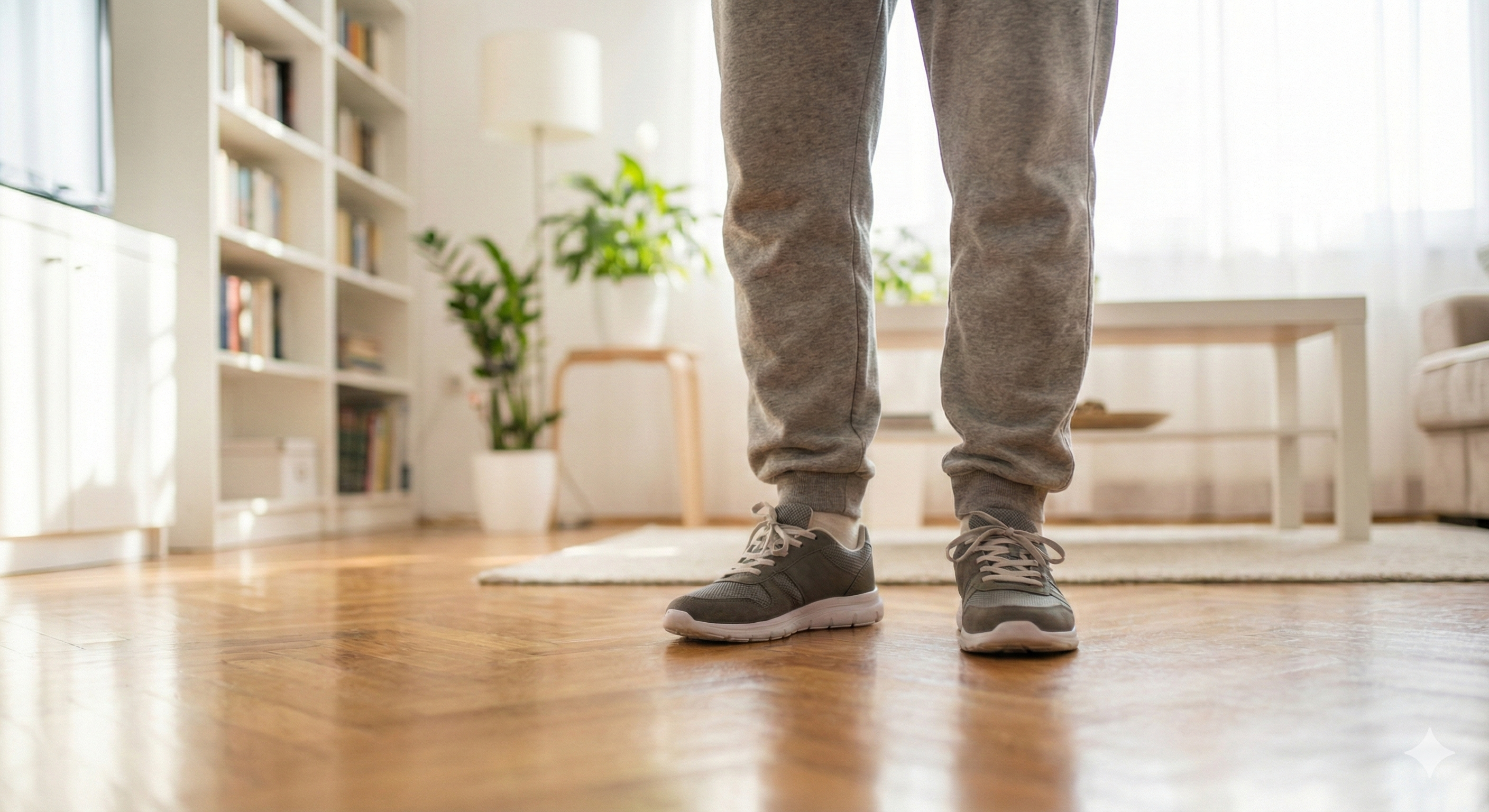
Wear shoes that are appropriate for your age, fit well, and have non-slip soles. Avoid loose slippers.
5. Environment
Modify the home for safety:
Ensure walkways are not slippery.
Install grab bars in the bathroom and at changes in floor levels.
Move the bedroom to the ground floor to avoid stairs.
Ensure the house is brightly lit.
What to Do If a Fall Occurs
If a senior falls, report it to a doctor immediately, even if the injury seems minor. It is crucial to identify the root cause, which could be a treatable medical condition (such as orthostatic hypotension/blood pressure dropping when standing up), a side effect of medication, or a neurological issue that requires treatment.
Source: https://www.rama.mahidol.ac.th/fammed/th/article/patient/28jul2020-1231
